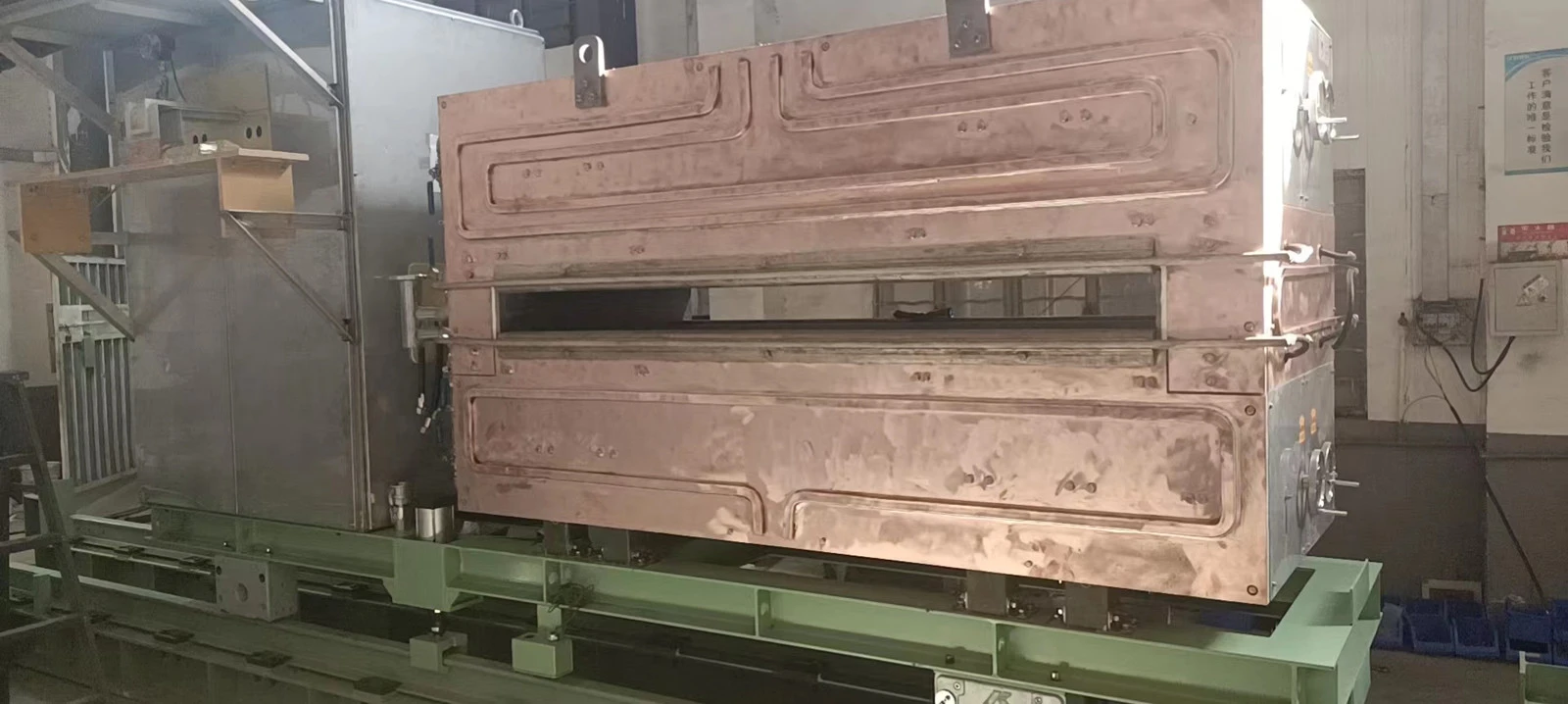

Proper daily maintenance of the online induction heating production line for ultra-thin plates ensures stable equipment operation and extends its service life.
Check the power supply voltage and grounding system for proper operation, and verify the status of the power switch.
Check the cooling water level, pressure, and inlet temperature to ensure the cooling system parameters are within the normal range.
Clear away metal chips and oxide scale from the equipment surface and work area to prevent debris from entering the equipment and affecting heat dissipation.
Perform a test run to confirm there are no abnormal noises or odors, and ensure all instrument readings are within the normal range.
Water Quality and Flow Rate: Check the cooling water conductivity (recommended <10 µS/cm), pH value (6.5–8.0), and temperature daily. Ensure the use of deionized or softened water; the direct use of tap water is strictly prohibited to prevent scaling and clogging of the specialized, narrow cooling channels designed for ultra-thin sheets.
Piping Condition: Inspect water pipe connections for leaks and check hoses for kinks or cracks due to aging during every shift. Verify the proper functioning of the flow switch; the system must shut down immediately for protection if the flow rate drops below the set value.
Heat Exchange Equipment: Check the operating status of the plate heat exchanger or chiller weekly and clean dust from the heat dissipation fins to prevent IGBT module damage caused by overheating due to poor heat dissipation.
Long-term preventive maintenance
Inspect the cooling system's rubber seals and hoses every 3–5 years, and promptly replace any aged components.
Perform regular lubrication and maintenance on the equipment's drive components to prevent malfunctions caused by sticking or jamming.
Maintenance must be performed only after the equipment has been powered off and allowed to cool down completely; use dry compressed air or a soft brush to clean the interior, and do not use wet cloths or metal brushes.