


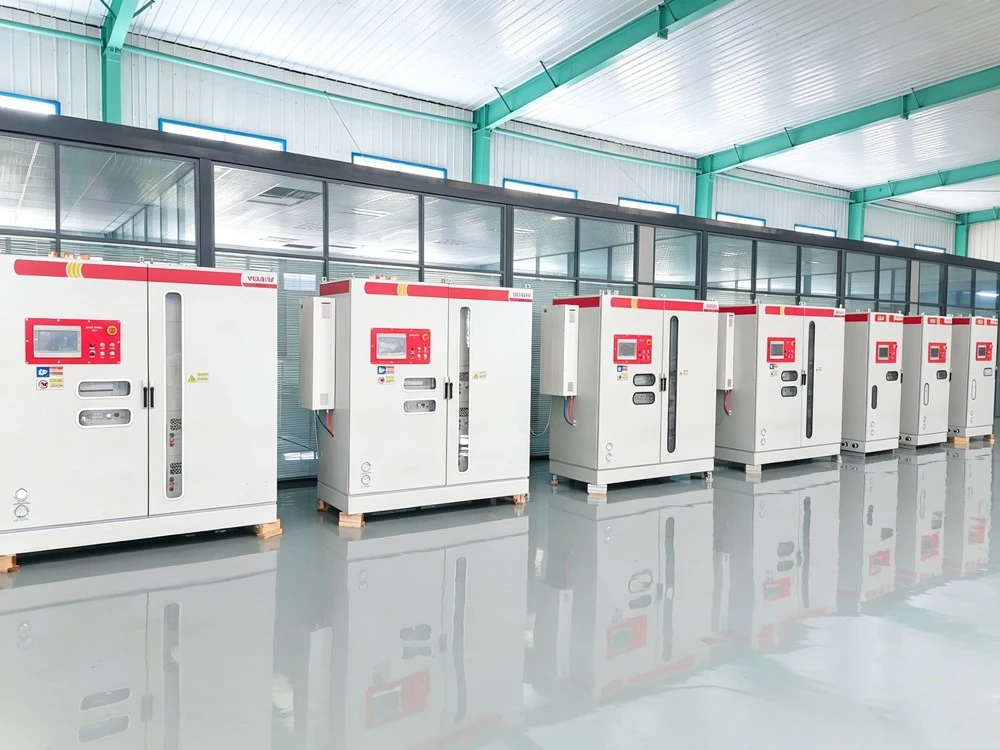
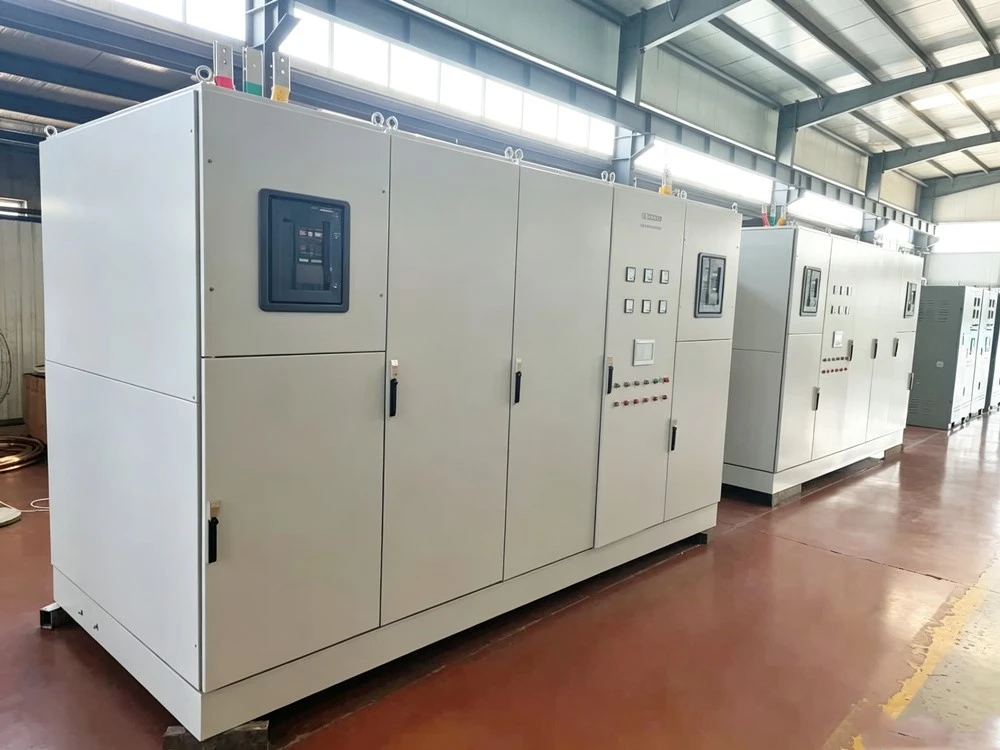
If a High Frequency Power Supply is left unused for an extended period without proper storage conditions or maintenance, it may develop problems such as dust accumulation, moisture ingress, corrosion of electrical connections, or changes in the condition of certain components. These issues may affect the equipment's operating condition when it is returned to service. Therefore, a proper procedure for shutdown, cleaning, storage, and recommissioning helps protect the equipment and reduce potential risks during subsequent operation.
First, the equipment should be shut down according to the operating procedures. The connected load or production process should be stopped before the High Frequency Power Supply is switched off in accordance with the manufacturer's instructions. The external power supply should then be disconnected. It is important to note that some power supplies contain energy-storage components, such as capacitors, which may retain dangerous voltages even after the equipment has been disconnected from the power source. Therefore, the enclosure must not be opened and internal circuits must not be touched immediately after shutdown. Any maintenance work involving internal components should only begin after the specified discharge time has elapsed and qualified personnel have confirmed that the equipment is safe.
Second, the exterior should be cleaned before storage. Dust and debris should be removed from the enclosure, air inlets, outlets, and cooling components to prevent contamination from affecting heat dissipation when the equipment is used again. Appropriate tools and cleaning methods should be selected to suit the equipment. Liquids must not be allowed to enter electrical components, and cleaning agents that may damage the enclosure, insulation materials, or labels should be avoided. If the equipment has been used in a dusty industrial environment, a more thorough inspection and cleaning process may be necessary.
Third, a suitable storage environment should be selected. A High Frequency Power Supply should generally be stored indoors in a dry, clean, and well-ventilated location. Prolonged exposure to moisture, rain, condensation, or corrosive gases should be avoided. Moisture may affect circuit boards, connectors, and metal components, while dust may interfere with heat dissipation or electrical insulation when the equipment is restarted. The storage location should also be protected from prolonged direct sunlight, significant temperature fluctuations, and other environmental factors that could damage the equipment. The specific temperature and humidity limits should follow the storage requirements provided by the manufacturer.
Fourth, appropriate dustproof and moisture-resistant protection should be provided. If the equipment will not be used temporarily, the original packaging or a suitable protective cover can be used in accordance with the product instructions. Before packaging, the equipment should be confirmed dry to avoid trapping moisture inside. Protective materials should not block any openings that need to remain unobstructed or place excessive pressure on heat sinks, terminals, or other vulnerable components. If the equipment has separate accessories, cables, or auxiliary components, they should be properly classified and labeled to prevent loss or confusion.
In addition, if the High Frequency Power Supply contains batteries, coolant, or other auxiliary components requiring special maintenance, these components should be handled according to the manufacturer's instructions. Different power supplies have different internal structures, so a single storage procedure may not be suitable for every model.
In summary, the main considerations when storing a High Frequency Power Supply for an extended period are safe shutdown, protection against dust and moisture, appropriate environmental conditions, and regular inspection. Proper storage and recommissioning procedures help reduce the risk of equipment damage, maintain reliability, and prepare the equipment for safe and effective future use.