


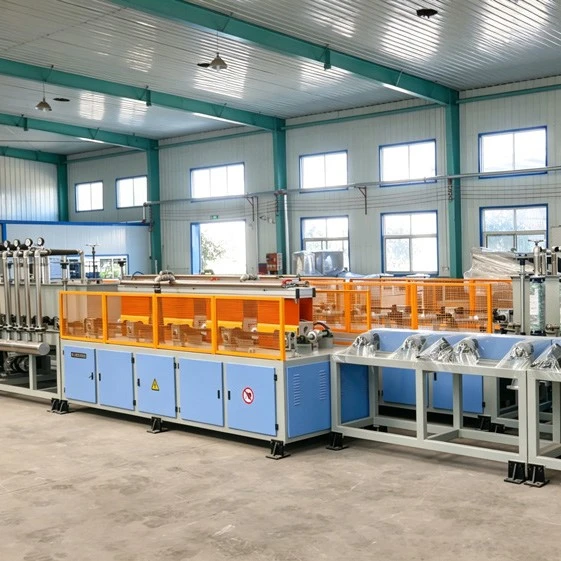
Selecting a steel bar induction heating quenching and tempering production line requires careful consideration of workpiece specifications, production capacity, heating parameters, and automation requirements.
1. Material and Bar Diameter
Confirm the steel grade, bar diameter, and length before purchasing. Different materials and dimensions may require different heating conditions and equipment configurations.
2. Heating Power and Frequency
Heating power and frequency affect the heating process and temperature distribution. Both the quenching and tempering systems should be selected according to the material, workpiece size, and required production output.
3. Production Capacity
Evaluate the required hourly output and actual production conditions. Processing capacity depends on bar dimensions, heating time, conveying speed, and heat treatment requirements.
4. Temperature Control
An infrared temperature measurement system and PLC-based closed-loop control can help monitor and regulate heating temperature. Buyers should also check whether the system supports parameter display, data recording, and fault alarms.
5. Conveying and Cooling Systems
The roller conveyor should suit the workpiece dimensions and production layout. The cooling system must also meet the equipment's operating requirements and the selected heat treatment process.
6. Manufacturer Support
Before placing an order, discuss installation, commissioning, operator training, spare parts, and technical support.
Choosing a production line based on actual process requirements helps avoid unnecessary costs and supports long-term operation. Provide your material grade, bar diameter, and target output to help determine a suitable equipment configuration.