


A High Frequency Power Supply is commonly used for electrical energy conversion and control in industrial production. Proper operation is essential for maintaining stable equipment performance, reducing abnormal operating conditions, and protecting personnel. Because a High Frequency Power Supply involves power electronic conversion, control circuits, and associated electrical components, operators must follow the equipment instructions and implement appropriate inspection, startup, operation, shutdown, and maintenance procedures.
First, necessary inspections should be performed before starting a High Frequency Power Supply. Operators should check the equipment housing, connecting cables, terminals, and other visible components for obvious damage or loose connections. They should also verify that the electrical supply connections and protective grounding meet the equipment's requirements. The surrounding area should be free from objects that could obstruct heat dissipation, and ventilation passages should remain clear. For equipment equipped with a dedicated cooling system, operators should confirm that the cooling components are functioning correctly to prevent overheating during operation.
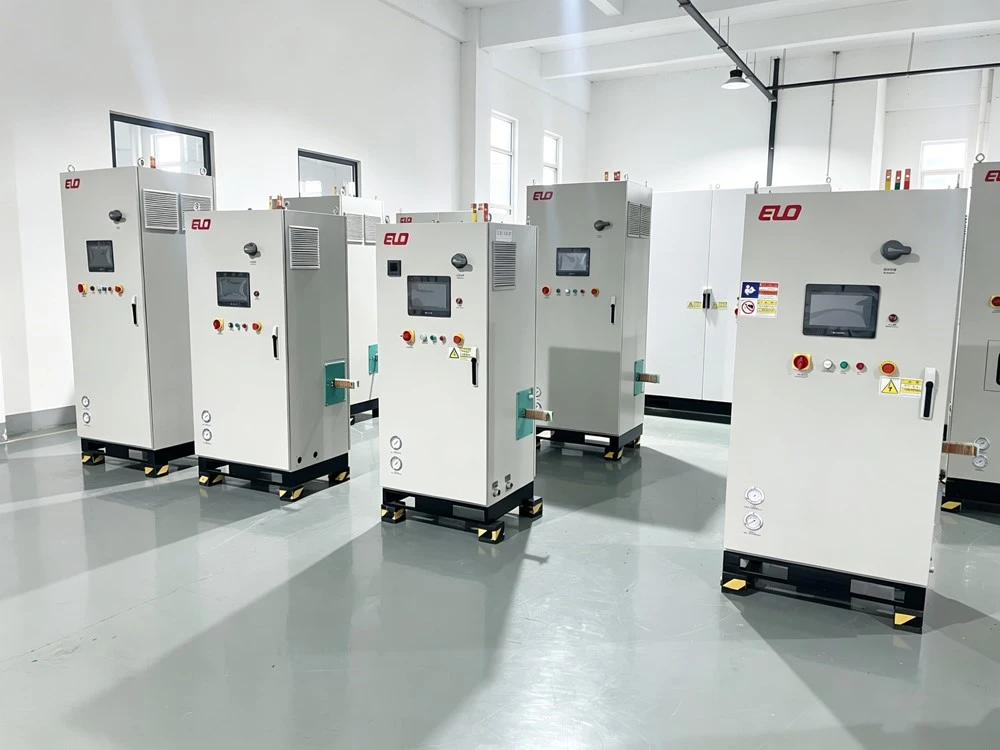
Second, it is important to confirm that the High Frequency Power Supply is compatible with the connected industrial equipment. Different power supplies may have different output characteristics and control methods. Therefore, users should understand the equipment's basic functions and operating requirements before use. Connections and operating conditions should be verified according to the manufacturer's instructions. Operators should not connect unverified loads or equipment without confirming compatibility. For systems that operate in coordination with other machinery, the relevant control signals and safety interlocks should also be checked.
During startup, operators should follow the prescribed operating sequence. Generally, the external power supply, control system, and supporting equipment should be checked and prepared before the power supply is activated. For a High Frequency Power Supply that requires operating parameter settings, these settings should be adjusted according to actual process requirements. Unauthorized or unverified adjustments should be avoided. After startup, operators should observe the display information and operating status to ensure that no abnormal alarms or other irregularities are present before proceeding with normal operation.
While the equipment is running, operators should continuously monitor the operating condition of the High Frequency Power Supply. Important factors include equipment temperature, cooling performance, output behavior, and unusual sounds. Some systems are equipped with status displays, alarm indicators, and automatic protection functions that help operators identify abnormal conditions. If unstable output, excessive temperature, or unusual alarms occur, operators should follow the established operating procedures and stop the equipment when necessary. Further inspection should be performed by appropriately qualified personnel.
Maintaining a suitable working environment is another important aspect of proper operation. A High Frequency Power Supply should be installed and operated in an environment that meets its intended operating requirements. Exposure to moisture, excessive dust, and other unfavorable conditions should be minimized. Ventilation and cooling passages must remain unobstructed, and air inlets or outlets should not be covered during operation. In industrial environments where vibration, dust, or humidity may be present, appropriate protective measures should be implemented to reduce their effects on equipment performance.
Overall, proper operation of a High Frequency Power Supply requires standardized procedures, continuous operating condition monitoring, and routine maintenance. By performing pre-operation inspections, following correct startup procedures, monitoring equipment performance, and implementing safe shutdown practices, businesses can reduce common operating problems and maintain reliable electrical power for industrial equipment.